Council permits for floral ceremonies in Kensington
Posted on 03/10/2026
If you are planning a floral ceremony in Kensington, the permit side can feel oddly bureaucratic for something that is meant to be beautiful, calm, and deeply personal. Yet that is exactly why Council permits for floral ceremonies in Kensington matter: they help your event run smoothly, keep public spaces respected, and reduce the chance of a last-minute headache. Whether you are arranging a small memorial flower laying, a wedding floral installation, or a ceremonial display in a public or semi-public setting, the right permission can make the difference between a graceful occasion and a stressful one.
In practice, most people are not trying to stage anything elaborate. They simply want flowers placed safely, access kept clear, and the ceremony to feel dignified. The trouble is that council processes, venue rules, and public-space expectations do not always line up neatly. This guide breaks the topic down in plain English: what these permits usually cover, how the process tends to work, who needs them, what to watch out for, and how to plan in a way that feels sensible rather than overcomplicated. Let's face it, nobody wants to be figuring out paperwork while the flowers are already in the van.
- Why Council permits for floral ceremonies in Kensington matters
- How Council permits for floral ceremonies in Kensington works
- Key benefits and practical advantages
- Who this is for and when it makes sense
- Step-by-step guidance
- Expert tips for better results
- Common mistakes to avoid
- Tools, resources and recommendations
- Law, compliance, standards, or best practice
- Options, methods, or comparison table
- Case study or real-world example
- Practical checklist
- Conclusion
- Frequently asked questions
Why Council permits for floral ceremonies in Kensington Matters
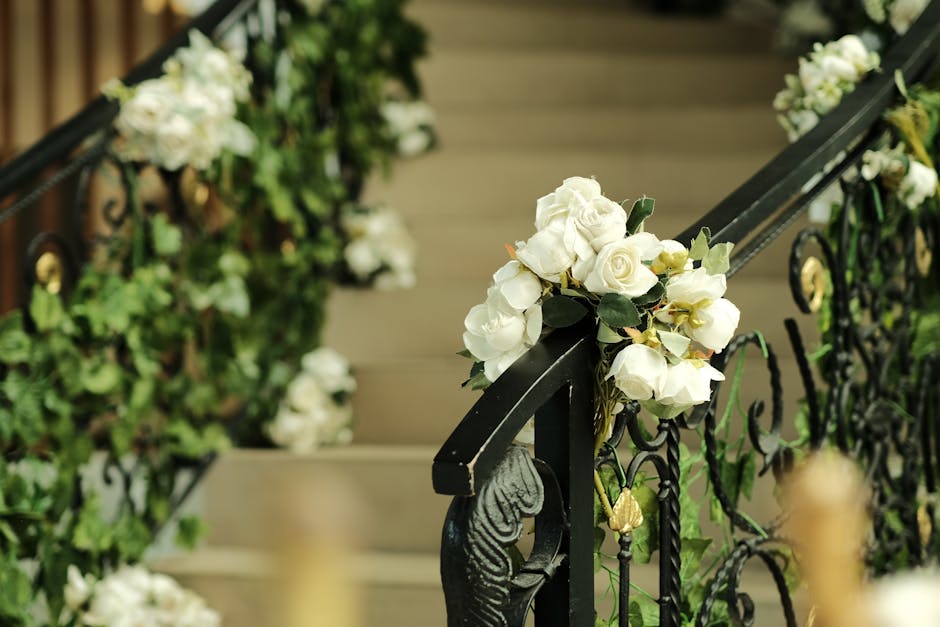
Kensington is a busy, highly managed part of London. That matters because floral ceremonies here can involve pavements, residential streets, public squares, church grounds, private venues, or areas where access needs to stay open for pedestrians, deliveries, neighbours, and emergency services. A council permit, where required, is there to make sure the event does not disrupt the area or create avoidable risk.
For a flower-focused ceremony, the permit question is often not about the flowers themselves. It is about the setting. Are you placing arrangements in a public space? Will there be chairs, stands, candles, archways, or temporary structures? Will vehicles need loading access? Will the ceremony take place close to a road, a listed building, or a managed estate? These are the little details that can change the answer.
And yes, they can be a bit fiddly. But they are there for a reason. Kensington is the kind of place where even a modest floral tribute or wedding feature can sit within a web of local expectations, venue policies, and public-space rules. A clear permit process helps prevent misunderstandings, especially when the ceremony is time-sensitive or emotionally important.
Practical takeaway: if your floral ceremony involves anything beyond a simple, private arrangement indoors, check whether permission is needed early. A short conversation before you book can save a lot of awkward backtracking later.
There is also a trust element. When organisers and florists show that they have planned responsibly, venues and families usually feel much more at ease. The ceremony reads as considered, not improvised. That is a small thing, maybe, but in a delicate moment it matters more than people expect.
How Council permits for floral ceremonies in Kensington Works
The exact process depends on the location and the nature of the ceremony, but the general pattern is straightforward. You identify where the ceremony will happen, confirm whether the area is under council control, private management, or venue ownership, then check what permission is needed for any temporary floral display, gathering, or access arrangement.
In some cases, the answer is simple: the venue handles it, or no permit is needed because everything stays inside private premises. In others, especially where public land or public access is involved, you may need approval for placement, timing, size, access, and removal. That can include things like floral arches, tribute displays, aisle arrangements, wreath placements, or delivery/loading permissions.
It is useful to think of the permit as part of the event plan rather than a separate chore. The council or managing body will usually want clarity on a few practical points:
- the exact location or area being used
- the date and time of the ceremony
- what floral elements will be placed or installed
- whether anything will block foot traffic or vehicle access
- how long items will remain in place
- who is responsible for setup and removal
If you are working with a florist, it helps if they understand those details too. A florist who regularly handles wedding flowers, funeral flowers, or sympathy tributes will usually ask the right questions early. For a lot of people, that is the difference between a smooth day and a scramble. If you want a broader sense of the products and ceremonial styles that may be relevant, pages such as wedding flowers in Kensington and funeral flowers in Kensington can help frame the type of arrangement you may need.
One thing to keep in mind: council permissions are often practical, not dramatic. They are usually about coordination, access, and safety. Not red tape for the sake of it. Still, the fine print matters, and this is where people sometimes get caught out.
Key Benefits and Practical Advantages
Getting the right permit or approval in place brings more benefits than just "being compliant". It can make the ceremony calmer, more professional, and easier for everyone involved.
- Reduced risk of interruption: you are less likely to be asked to move arrangements at the last minute.
- Better access planning: guests, staff, and delivery teams know where they can move safely.
- More confidence for venues and families: clear permissions reduce uncertainty.
- Professional presentation: the event feels organised rather than improvised.
- Less stress on the day: one less thing to worry about when time is tight.
There is a softer benefit too. A properly planned floral ceremony tends to feel more respectful. That is especially true for memorials, weddings, or community ceremonies where the emotional tone is important. You notice it in the small things: no blocked doorway, no panicked phone calls, no confusion over who is in charge of what.
From a practical point of view, the permit process can also help you think through setup and removal timing. Flower installations are beautiful, but they do not manage themselves. If the arrangement is being displayed outdoors or near a public path, a clear removal plan is just as important as the design itself.
And, honestly, it saves money more often than people realise. A rushed correction, a relocated display, or a delayed delivery can cost more than simply checking the rules at the start. Bit of a nuisance, yes, but a predictable one. Predictable is good.
Who This Is For and When It Makes Sense
Not every floral ceremony in Kensington needs a council permit. That is worth saying plainly. If the flowers are staying entirely within a private home, a hired indoor venue, or a church or hall that manages its own rules, you may not need council involvement at all. But there are many situations where checking is wise, even if you are not yet sure a permit is required.
This topic usually matters for:
- Couples planning weddings or vow renewals with floral arches, aisle designs, or outdoor photographs
- Families arranging memorials or funerals with floral tributes in a public or semi-public place
- Event organisers hosting cultural, religious, or community floral ceremonies
- Florists and suppliers coordinating delivery, setup, or removal
- Venue managers who need to coordinate with public access rules
It also makes sense whenever the ceremony uses shared space. That could mean a pavement edge, a forecourt, a private estate with controlled access, or a garden area that has restrictions. If you are not sure, it is sensible to assume there may be a requirement until you confirm otherwise.
For commercial or larger-scale events, the question becomes more than just "do we need permission?" It becomes "what conditions do we need to meet to make the event workable?". That is where clear planning is worth its weight in roses. If you are arranging floral support for an office or client event, the corporate accounts page may also be useful when you are comparing ongoing ordering arrangements and practical coordination.
Truth be told, the people who benefit most from this guidance are usually the ones who think ahead just enough to ask awkward questions early. That is not overcautious. That is smart.
Step-by-Step Guidance
Here is a practical way to handle council permits for floral ceremonies in Kensington without tying yourself in knots.
- Define the ceremony clearly. Is it a wedding feature, a memorial tribute, a cultural floral ritual, or a public-facing installation? The type of ceremony shapes the permission needed.
- Pin down the location. Note the exact address, entrance, access route, and whether any part of the plan touches public land or shared access areas.
- Check the ownership and management. A council-managed space, private venue, estate, church, or business premises may each have different rules.
- List the floral elements. Include bouquets, wreaths, sprays, arches, table arrangements, stands, or any decorative structures.
- Confirm timing. Allow for delivery, setup, the ceremony itself, and removal. Morning light can be lovely for flowers, but access windows may be tighter than you expect.
- Ask about restrictions. There may be limits on fixings, weight, candles, vehicle access, noise, or how long items can stay in place.
- Prepare supporting details. Photos, sketches, dimensions, or a simple layout can make approvals easier.
- Build in contingency. If weather or access changes, know what the backup plan is. A gusty day on a London street can turn a neat arrangement into a small drama very quickly.
- Confirm responsibility for removal. Do not assume this is obvious. It rarely is.
A useful habit is to write everything down in one place. Not a fancy document. Just a practical note with dates, names, contact details, setup times, and what has been approved. A phone note will do if that is all you have. Slightly unglamorous, yes. But efficient.
If you need flowers quickly while organising the rest, pages like same-day flower delivery in Kensington and next-day flower delivery in Kensington may be useful for timing-sensitive arrangements. For simpler ordering, send flowers in Kensington is also a practical starting point.
Expert Tips for Better Results
In our experience, the smoothest floral ceremonies are the ones where the organiser and florist act like a small team. Not everything needs to be formal, but everyone should know the plan. A few good habits help a lot.
- Ask about access before choosing the design. A grand arrangement is lovely, but only if it fits the route, doorway, and venue rules.
- Keep the design practical. If the ceremony is outdoors or near traffic, sturdy mechanics and sensible placement matter more than a dramatic silhouette.
- Use flowers that suit the setting. Pale tones can look elegant in Kensington's light, while richer colours make a stronger statement indoors or in shaded spaces.
- Allow time for condition checks. Fresh flowers can look different once unpacked. That tiny bruise on a petal? It can matter more than you think in close-up photos.
- Confirm the removal schedule in writing. It prevents confusion, especially after a long day when everyone is a bit tired.
Another tip that is easy to miss: think about the emotional pace of the ceremony. Some floral occasions are quiet and reflective; others are celebratory and full of movement. The arrangement should suit that rhythm. A formal memorial wreath and a wedding aisle garland do not need the same handling, and that sounds obvious until someone tries to use one approach for both.
It can also help to choose flowers that travel well. For delivery-heavy days, robust stems and sensible hydration are your friends. Pages such as flower care can be a useful reference if you want arrangements to look fresh through setup and the ceremony itself.
Small detail, big difference.
Common Mistakes to Avoid
Most permit problems are not dramatic legal issues. They are planning issues. The annoying kind. Here are the mistakes that come up again and again.
- Leaving permission checks too late. People often finalise the flowers before checking the setting.
- Assuming all outdoor spaces work the same way. A private courtyard, a managed estate, and a public pavement are not interchangeable.
- Forgetting removal obligations. If no one has agreed who clears the display, it can become awkward fast.
- Underestimating delivery access. Kensington roads and access points can be busy, narrow, or time-restricted.
- Choosing oversized floral structures without measuring properly. A design can look perfect on paper and still be impossible on site.
- Ignoring venue conditions. The council may not be the only body with rules. Venues often have their own, sometimes stricter, requirements.
The most common error, honestly, is treating permit checks as a final admin task instead of a design input. Once you reverse that thinking, things get easier. You plan the ceremony around the space, not the other way around. That saves time, money, and a good bit of stress.
Another subtle mistake is failing to tell the florist what the permit covers. If the florist knows the access is tight or the display must be removed by a certain time, they can suggest a better arrangement. They really can. And they usually appreciate being told early rather than being asked to perform a miracle on arrival.
Tools, Resources and Recommendations
You do not need a complicated project-management system to organise a floral ceremony in Kensington. A few simple tools are usually enough.
- A site note: basic address details, access points, and any restrictions.
- A checklist: what is being delivered, when, and by whom.
- Reference photos: useful for explaining scale and placement.
- A backup plan: if the first choice of location or access route becomes unavailable.
- A clear budget view: so the permit, floral design, and delivery all fit together sensibly.
When comparing flower types or arrangements, it can help to start with categories rather than individual stems. For example, wedding table arrangements suit reception styling, while wreaths and tributes are more appropriate for memorial or ceremonial settings. If you are planning a more formal installation, bridal bouquets, buttonholes, and corsages may also be part of the wider plan.
For larger or more layered events, the following can help with choice and style:
- luxury flowers for a more polished ceremonial feel
- all flowers when you want a broad overview of what is available
- florist choice if you want expert-led selection
- white flowers for classic, understated ceremonies
- mixed colours if the event needs more energy and visual warmth
If you want a bit more context about the business, service standards, or how orders are handled, the about us, guarantees, and delivery pages are worth a look. They help set expectations, which is always useful when timing matters.
Law, Compliance, Standards, or Best Practice
Because council permits and floral ceremonies can involve public space, access, and event setup, it is sensible to treat compliance carefully. The exact legal or permission requirements depend on the site and the type of event, so it would be unwise to assume one Kensington arrangement works the same as another.
Best practice usually includes the following:
- Confirm the controlling authority before you commit to the display.
- Check whether the location is public, private, or jointly managed.
- Keep access routes clear for pedestrians, neighbours, and emergency use where applicable.
- Provide accurate setup details including dimensions and timing.
- Use safe installation methods for any temporary stands, structures, or large arrangements.
- Plan prompt removal so the area is left as agreed.
For wedding-related events, there may also be venue conditions on decor, temporary structures, and supplier access. For memorial or funeral ceremonies, sensitivity matters just as much as logistics. The right flowers, handled respectfully, help maintain the tone of the day. A calm approach tends to work best. No one enjoys unnecessary fuss, especially at a meaningful ceremony.
If any part of the ceremony involves a space with formal restrictions, do not guess. Ask. That sounds obvious, but in real life it is where people often save themselves from trouble. A quick confirmation is usually better than a polished assumption.
Options, Methods, or Comparison Table
There is no single way to organise a floral ceremony in Kensington. The right method depends on the space, the scale of the flowers, and how formal the event is. This comparison helps frame the decision.
| Approach | Best for | Pros | Watch out for |
|---|---|---|---|
| Private indoor ceremony | Homes, hired rooms, many venues | Usually simpler, fewer public-space issues | Venue rules may still apply |
| Public or semi-public floral display | Outdoor ceremonies, roadside tributes, shared access areas | Highly visible and often meaningful | Permission and access planning are critical |
| Venue-managed floral setup | Weddings, formal receptions, commemorative events | Clearer control and coordination | Supplier timings must fit venue rules |
| Florist-led bespoke installation | Large or design-led ceremonies | Strong visual impact and expert handling | Needs detailed site information and earlier planning |
As a rule of thumb, the more public-facing the ceremony, the more important the permit check becomes. If the flowers are staying safely inside a private room, the process is usually easier. If they are part of a public tribute or outdoor celebration, the planning needs a bit more care. Nothing dramatic. Just careful.
Case Study or Real-World Example
Here is a realistic example based on the kind of situation florists and organisers often encounter in Kensington.
A family is planning a small memorial gathering followed by a floral tribute near a venue entrance. They want a calm, elegant look: white arrangements, a few wreaths, and a simple display table for messages. The first instinct is to order the flowers and sort the rest later. But the site has a narrow access point, a shared frontage, and a tight setup window.
Instead of pushing ahead, the organiser maps the space first, checks who manages the frontage, and confirms whether any approval is needed for temporary placement. The florist then adjusts the design to suit the available space: fewer oversized pieces, sturdier bases, and a quicker setup plan. Delivery is timed to avoid peak pedestrian flow. Removal is set for later that day, and one person is assigned to confirm the handover.
The result? The ceremony stays calm. The flowers look deliberate and respectful. No one is improvising with boxes on the pavement five minutes before guests arrive. Which, to be fair, is exactly the kind of chaos nobody wants in a meaningful moment.
A wedding example works the same way. A couple may love the idea of a dramatic entrance arch, but after checking access and venue conditions, they choose a lighter installation with matching bouquets and table flowers instead. It still feels beautiful, just more practical. Sometimes the best design choice is the one that fits the space properly.
Practical Checklist
Use this checklist before booking or installing flowers for a ceremony in Kensington.
- Have I confirmed whether the location is public, private, or managed by a venue?
- Do I know whether a council permit or separate approval is needed?
- Have I written down the exact date, time, and access window?
- Do I know what floral items are being used and how large they are?
- Has someone checked delivery access and parking/loading arrangements?
- Are there any restrictions on stands, fixings, candles, or temporary structures?
- Have I allowed enough time for setup and removal?
- Has the florist been given the site details and any restrictions?
- Is there a backup plan if weather or access changes?
- Do I know who is responsible for clearing the flowers afterwards?
If you can tick most of those off, you are in a much better position than most people. No medal for it, sadly, but plenty of peace of mind.
Conclusion
Council permits for floral ceremonies in Kensington are not just administrative formalities. They are part of making sure an important occasion feels dignified, safe, and well managed. Whether you are planning a wedding, memorial, cultural ceremony, or a small floral tribute, the key is to check the setting early, understand who controls the space, and coordinate the flowers around real-world access and timing.
The good news is that this does not have to be complicated. A clear plan, a careful florist, and a few sensible questions go a long way. Once the practical side is handled, the flowers can do what they are meant to do: carry the feeling of the moment, quietly and beautifully.
Get a free quote today and see how much you can save.
And if you are still at the early stage, that is completely fine. Start with the space, then the flowers, then the paperwork. Step by step. It usually works better that way.
Frequently Asked Questions
Do I always need a council permit for a floral ceremony in Kensington?
Not always. If everything is happening in a private venue or indoor setting, a council permit may not be needed. The need for permission usually depends on whether the ceremony uses public space, shared access areas, or temporary structures.
What counts as a floral ceremony?
It can include weddings, memorial tributes, cultural or religious floral displays, and ceremonial flower installations. In short, if flowers are being used as part of a planned event or ritual rather than just decoration, it may fall into this category.
How early should I check permit requirements?
As early as possible. Ideally, check before booking the final flower design or confirming the site layout. That gives you time to adjust the plan if the space has restrictions.
Can a florist help with the permit process?
Yes, many florists can help by advising on practical setup details, dimensions, timing, and delivery issues. They may not handle the permit itself, but they often know what information is needed.
What if my ceremony is small?
Small ceremonies may still need permission if they take place in public or controlled spaces. Size helps, but it is not the only factor. Location matters just as much, sometimes more.
Are outdoor floral ceremonies more complicated?
Usually, yes. Outdoor settings tend to involve access, weather, foot traffic, and sometimes more than one controlling body. That does not mean they are difficult, only that they need more checking.
How do I avoid delays on the day?
Share the exact schedule, access route, and setup instructions with everyone involved. Keep the plan simple, confirm responsibilities, and allow extra time for delivery and installation. That bit of slack is worth it.
What should I do if I am unsure who controls the space?
Do not guess. Find out whether the area is managed by a venue, private landlord, estate office, or public authority before booking anything significant. One quick check can save a lot of back-and-forth.
Can floral arrangements block access temporarily?
They sometimes can, but only if the permission and event plan allow it. In many cases, access must remain clear, especially on pavements or shared routes. Always confirm before assuming.
What flowers work best for formal ceremonies?
That depends on the tone of the occasion. White arrangements often suit formal and reflective ceremonies, while mixed colours can work well for celebratory events. The setting, season, and symbolism all matter too.
What is the most common mistake people make?
The biggest mistake is leaving the permit question too late. People often finalise the flowers first and then discover a space restriction. It is a very human mistake, but an avoidable one.
Where should I start if I want help with flowers for a Kensington ceremony?
Start by deciding where the ceremony will take place and what kind of flower arrangement you want. Then look at suitable styles and services, such as wedding flowers, funeral flowers, or delivery options, before confirming the logistics.