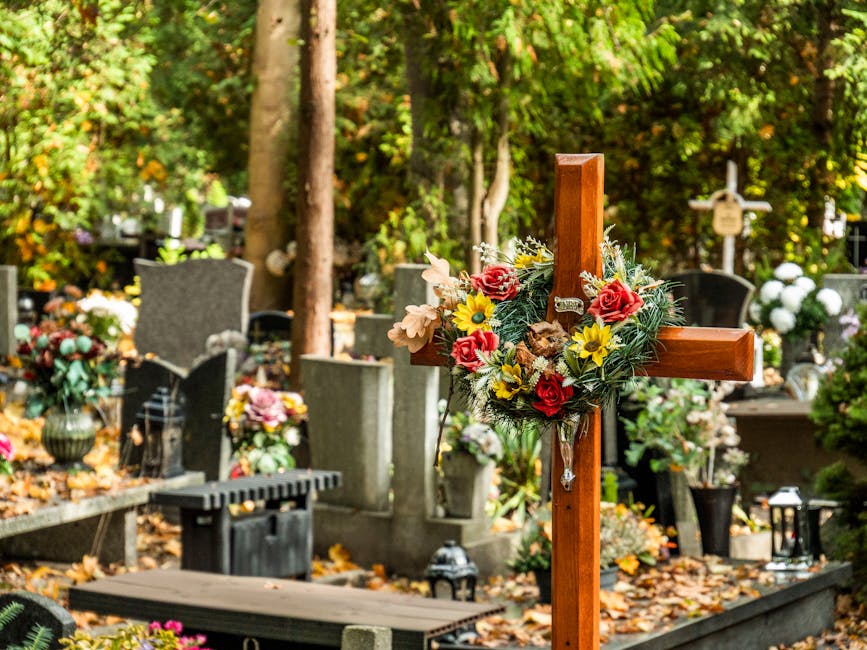
Kensington rules for disposal of memorial flowers and wreaths
Posted on 28/05/2026
Kensington rules for disposal of memorial flowers and wreaths: a practical local guide
When memorial flowers begin to fade, the question is rarely just what to do with them. It is usually about doing the right thing, at the right time, and in a way that feels respectful. That is exactly where the Kensington rules for disposal of memorial flowers and wreaths come in. In a place like Kensington, where churchyards, cemeteries, crematorium grounds, private memorial spaces, and local green areas often sit close together, the practical details matter. A wreath left too long can become untidy; removed too soon, it can feel jarring. The aim is balance, not fuss.
This guide explains the likely expectations, the usual process, and the best way to handle tributes with dignity. You will find a step-by-step approach, a comparison of disposal options, common mistakes to avoid, and a short checklist you can actually use. If you are arranging sympathy flowers now, it may also help to look at funeral flowers in Kensington or browse wreath designs before the day comes round. No pressure. Just useful guidance when it matters.
Why Kensington rules for disposal of memorial flowers and wreaths Matters
Memorial flowers are not ordinary waste. They carry a message, a relationship, and a moment of remembrance. In Kensington, that matters even more because many memorial settings are shared, carefully maintained spaces. A grave border, a churchyard path, or a crematorium memorial area can quickly feel crowded if tributes are not removed in a timely way. On the other hand, taking them away with no consideration for the family can feel cold. The rules, or more accurately the local expectations and site practices, help solve that tension.
There is also a practical side. Fresh flowers wilt, wreath frames break down, ribbons fray, and floral foam can become messy. Left unmanaged, tributes can block maintenance, attract litter, or simply look neglected. That is not what anyone wants. Good disposal practice keeps the memorial area calm, tidy, and dignified. Truth be told, that visual order helps people grieve a little more gently.
For families, these rules matter because they shape what happens after the service. For venues and grounds teams, they matter because they protect access and presentation. For florists, they matter because the arrangements they make for funeral services, sympathy occasions, and remembrance events need to be suitable for the setting. If you are sending a tribute for immediate use, you may also want to explore same-day flower delivery in Kensington or sending flowers locally when timing is tight.
How Kensington rules for disposal of memorial flowers and wreaths Works
There is usually no single universal Kensington rulebook that applies to every church, cemetery, memorial garden, or private venue. Instead, disposal tends to work through a mix of venue policies, maintenance schedules, common cemetery practice, and family preferences. That sounds a bit vague, and it is-but in real life, that is how it works. You check the site, note the wording of any memorial instructions, and make sure the tribute is removed or cleared in line with those expectations.
In practice, the process often looks like this:
- flowers are left in place during the immediate funeral or remembrance period;
- once they begin to deteriorate, they are collected by grounds staff, family members, or a designated funeral director;
- soft floral materials are separated from plastic, wire, ribbon, and card;
- recyclable or compostable parts are treated differently from non-compostable parts;
- anything unsafe, such as exposed wire stems or broken bases, is removed quickly.
That separation point is worth paying attention to. A wreath is not just "flowers". It may include plastic picks, ribbon bows, battery lights, cellophane, Oasis-type floral foam, cardboard edging, and wire mechanics. Some parts are compostable, some are not, and some should be placed in general waste if no suitable recycling stream is available. If you want to choose a tribute that is easier to manage afterwards, a florist can help you pick a simpler design from sympathy flowers or a more structured tribute range.
Memorial settings can also have timing windows. For example, some sites prefer tributes to remain for a short period after the service, while others ask for them to be collected sooner to keep pathways clear. The safest approach is always to ask before assuming. A quick phone call or a careful check of the venue notice board can save a lot of awkwardness later.
Key Benefits and Practical Advantages
Following the local approach to memorial flower disposal is not just about being tidy. It creates a better experience for everyone involved. It also stops small problems from becoming bigger ones. Here are the main benefits.
- Respect is preserved. Flowers are handled at the right moment, not left to deteriorate in a visible or distressing way.
- The memorial space stays dignified. Clean surroundings make it easier for visitors to reflect and grieve quietly.
- Grounds maintenance becomes easier. Staff can mow, weed, sweep, and maintain access without working around damaged tributes.
- Waste is managed more responsibly. Reusable, recyclable, and compostable materials can be separated where possible.
- Family disagreements are reduced. Clear expectations mean fewer awkward "should we move it yet?" conversations.
There is a subtle benefit too: people feel less anxious when there is a known plan. Grief is heavy enough without wondering whether you have broken an unspoken rule. A straightforward process gives a little relief. Small thing, maybe. But not really small at all.
From a florist's point of view, this is also where thoughtful design helps. For example, a compact spray or basket from sprays or baskets and posies may be easier to remove and dispose of neatly than a very bulky arrangement with lots of mixed materials. If the tribute must travel first, see also flower delivery in Kensington for local delivery support.
Who This Is For and When It Makes Sense
This topic matters to more people than you might expect. It is not only for funeral directors or cemetery managers. In Kensington, the practical question of memorial flower disposal comes up for families, friends, venue coordinators, clergy, florists, and maintenance teams.
You will likely need this guidance if you are:
- arranging flowers for a funeral or cremation service;
- visiting a grave or memorial site and noticing older tributes;
- helping a family decide when to clear flowers after the service;
- managing a churchyard, cemetery plot, or memorial garden;
- ordering sympathy flowers on behalf of someone else;
- trying to match a tribute style to a site with specific removal or cleaning expectations.
It also makes sense if you are planning ahead. That sounds a little clinical, but planning ahead can be a kindness. If you know the setting is strict or space is tight, you can choose a more manageable piece from wreaths or a more compact tribute like Peaceful Wreath or Serenity Spray. Different venues, different rules, different rhythms.
Step-by-Step Guidance
If you want a simple way to handle memorial flower disposal in Kensington, use this process. It is practical, respectful, and flexible enough for most situations.
- Check the location's guidance first. Look for any notice from the cemetery, crematorium, church, or memorial garden about when tributes should be removed.
- Note the type of tribute. A wreath, spray, posy, letter tribute, or basket may all require different handling.
- Look at condition. If flowers are still fresh, they may remain in place a little longer. If they are collapsing, browning, or leaking water, it is time to act.
- Decide who is responsible. Family, friends, venue staff, or a funeral director may take the lead. Choose one person so nothing gets missed.
- Remove cards and keepsakes carefully. Messages, ribbons, and sentimental items may be worth keeping before anything is discarded.
- Separate materials. Keep compostable plant material apart from wire, foam, plastic, and packaging where possible.
- Dispose responsibly. Use the site's waste process or your household waste system in line with local expectations.
- Leave the space tidy. A final sweep for ribbon, tape, or broken stems makes a noticeable difference.
One small real-world tip: do not wait until the arrangement is fully collapsed if the site is a shared memorial area. Once a wreath starts shedding heavily, it tends to look worse very quickly. A day or two earlier can be kinder to everyone.
For families receiving flowers at short notice, it can help to choose a reliable local service with punctual delivery. You can look at best flower delivery in Kensington or flower shops in Kensington if you need a florist who understands local delivery timing and presentation.
Expert Tips for Better Results
In our experience, the best memorial flower decisions are the simplest ones. That does not mean plain or impersonal. It means easy to manage, easy to understand, and appropriate for the setting.
- Choose fewer fragile materials. Heavy ribbons, glitter, plastic decorations, and oversized foam bases often create more disposal work than they are worth.
- Ask for natural mechanics where possible. Compostable bases or recyclable supports can reduce waste, though availability depends on the design.
- Use the message card wisely. Keep the wording short and meaningful. Long cards are lovely, but if the arrangement is to be removed later, the key message can get lost in the clutter.
- Match the tribute to the venue. A churchyard with limited space may suit a smaller spray or posy better than a large circular wreath.
- Plan the end as well as the beginning. People often think about the day of the service and forget what comes after. That is where disposal planning saves stress.
A slightly unexpected tip: keep a pair of gloves and a small bag in the car if you are attending a memorial site regularly. It is mundane, yes, but it makes collecting tired flowers, ribbons, or cards much easier. Not glamorous. Very useful.
If you are arranging a tribute with a personal touch, a funeral card or letter tribute can add meaning without making future cleanup awkward. That is often the sweet spot.
Common Mistakes to Avoid
Memorial flower disposal goes wrong in a few predictable ways. None of them are dramatic on their own, but together they can create a messy impression or even cause access issues.
- Leaving tributes far too long. This is the most common problem. Faded flowers can quickly look neglected.
- Assuming every site has the same rules. One Kensington location may allow longer display periods; another may be more strict.
- Throwing everything into one bin. That can be wasteful and sometimes inconvenient if the site separates green waste from general waste.
- Forgetting personal items. Keepsakes, messages, and small ribbon tags are easy to lose when clearing flowers.
- Using too many non-compostable materials. These can make disposal more complicated and less environmentally friendly.
- Moving someone else's tribute without checking. This can feel intrusive unless there is a clear policy in place.
And here is one that sounds obvious but still happens: do not start dismantling a wreath in the middle of a memorial area unless you are sure it is allowed. It is better to move carefully, even if that means taking the tribute home first and dealing with it there. A little awkwardness now beats regret later.
Tools, Resources and Recommendations
You do not need complicated tools to deal with memorial flower disposal well. You mainly need a calm plan and a few basics.
- Gardening gloves: useful for handling stems, wire, and damp foam.
- Scissors or secateurs: helpful for cutting ribbon or separating arrangements cleanly.
- Carrier bags or bins: useful for separating recyclable, compostable, and general waste items.
- Soft cloth or tissue: good for wiping down keepsakes before storing them.
- Notebook or phone note: handy for writing down site instructions or family preferences.
For readers who want to choose suitable flowers in advance, these pages may help with planning and product selection:
If you are ordering for a service with tight timing, the local delivery pages can be useful too: same-day flower delivery and next-day flower delivery. That sort of flexibility can matter more than people expect, especially when arrangements are needed quickly. The day runs away from you, doesn't it?
Law, Compliance, Standards, or Best Practice
This subject can touch local policy, waste handling, and site access rules, so a careful approach is sensible. It would be misleading to pretend there is one legal rule for every memorial flower scenario in Kensington. There usually is not. Instead, best practice is to follow the instructions of the site owner or manager, handle waste responsibly, and respect any family wishes that have been agreed in advance.
Where memorial flowers include mixed materials, the practical expectation is to separate what can be separated. Plant matter may go with green waste if the site provides that option. Wire, plastic, and packaging usually need a different route. If a site has no clear recycling system for tribute materials, general waste may be the only suitable option for the non-organic parts. It is not glamorous, but it is the normal reality.
In a public or shared setting, you should also avoid blocking paths, gates, headstones, or maintenance access. That is less about strict law and more about common sense and courtesy. If a cemetery or churchyard has a posted policy, treat it as the primary instruction. If the family has asked for a delay before removal, follow that too where the site allows it.
Best practice also means sensitivity to religious and cultural customs. Some communities treat floral tributes in a particular way, and some funeral arrangements involve specific colours, shapes, or symbolic meanings. A florist experienced in funeral work will usually know to ask the right questions, not just about design, but about how the tribute will be handled afterwards.
Options, Methods, or Comparison Table
If you are deciding how to manage memorial flower disposal, the comparison below may help. There is no perfect answer for every case, but there is usually a better fit for the site and the family.
| Method | Best for | Pros | Things to watch |
|---|---|---|---|
| Leave in place for a short period | Fresh tributes after a funeral or memorial service | Respectful, simple, least disruptive | Needs a clear removal date so it does not overstay |
| Family collection | Sentimental arrangements, cards, keepsakes | Allows personal items to be saved | Someone must be available to collect and sort them |
| Grounds-team removal | Managed cemetery or crematorium settings | Efficient and tidy, especially for shared spaces | Follow the site's schedule and permission rules |
| Home separation and disposal | Private memorials or family graves | Best for sorting recyclable and sentimental elements | Can take time and requires careful handling |
| Compost/green waste route | Mostly floral material with minimal synthetic parts | Environmentally sensible where available | Remove wire, foam, and plastic first |
For many people, the simplest route is a mixed one: keep the card, photograph the tribute, separate any keepsakes, and let the rest go through the site's usual disposal channel. That's often enough. No drama, just care.
Case Study or Real-World Example
Here is a realistic example from a Kensington-style funeral setting. A family orders a white wreath and a matching spray for a service on a Friday afternoon. The florist delivers them in good time, and the tributes are placed beside the service area. After the gathering, the family pauses for a few minutes, takes photos, and removes the handwritten card. One relative keeps the ribbon tag in a memory box. The florist foam, outer wrapping, and wire frame remain with the arrangement.
By Monday, the flowers are starting to soften. The family checks the venue's guidance and finds that the site prefers tributes to be removed before the weekly maintenance round. They collect the wreath, separate the card and keepsake ribbon, and place the flowers in the correct waste stream for the setting. It is not a grand ritual, just a calm, respectful routine. But it prevents the memorial space from becoming cluttered, and it lets the family feel that they have handled things properly.
A tiny detail made the difference: the tribute had fewer mixed materials than a more decorative design would have used. Less fuss, fewer pieces to sort, easier cleanup. Sometimes the best design decision is the one you barely notice later.
Practical Checklist
Use this quick checklist when you are dealing with memorial flowers or wreaths in Kensington:
- Check the cemetery, church, or memorial site guidance first.
- Confirm whether the flowers should stay for a set period.
- Remove cards, keepsakes, and personal notes before disposal.
- Separate flowers from wire, plastic, ribbon, and foam where possible.
- Decide who is responsible for collection and disposal.
- Keep pathways and headstones clear.
- Use compost, green waste, or general waste according to the material type and site rules.
- Choose simpler tribute designs in future if the site is sensitive or space is limited.
- Ask a florist for help if you are unsure about tribute style or timing.
If you are still at the planning stage, you may want to browse local flower shops in Kensington or review service guarantees before ordering. That can make the whole process feel much less rushed.
Get a free quote today and see how much you can save.
Conclusion
Kensington rules for disposal of memorial flowers and wreaths are really about one thing: preserving dignity while keeping shared spaces safe, tidy, and easy to maintain. The details may vary from one venue to another, but the principle stays the same. Check the site guidance, treat the tribute carefully, keep personal items aside, and dispose of the remaining materials with respect.
If you remember nothing else, remember this: the best approach is usually the one that feels calm, clear, and considerate. That is true whether you are arranging flowers for a service, clearing them afterwards, or helping someone else through the process. A thoughtful tribute does not end when the last petal falls. It ends well when the handling after the flowers is just as careful as the moment they were given.
And honestly, that final bit of care often says more than words ever could.
Frequently Asked Questions
Are there official Kensington rules for disposing of memorial flowers and wreaths?
There is usually no single rule that applies to every memorial site in Kensington. In practice, disposal is guided by the specific cemetery, church, crematorium, or memorial garden policies, plus general best practice for respectful waste handling.
How long should memorial flowers be left in place?
That depends on the venue and the condition of the flowers. Some sites prefer a short display period after the service, while others allow longer. If the flowers start to look tired or interfere with maintenance, they should usually be removed.
Can I throw a wreath in the normal bin?
Sometimes, but not always. Wreaths often contain wire, plastic, ribbon, and foam, which may need to be separated first. If the site offers green waste or a memorial disposal process, it is best to follow that.
What parts of a memorial wreath can be recycled or composted?
Fresh flowers and some foliage may be compostable, but wire, plastic wraps, foam, and certain ribbons usually are not. The exact route depends on the materials used and the waste facilities available.
Who is usually responsible for removing funeral flowers?
It varies. The family may take them home, the funeral director may manage them, or the grounds team may collect them according to the site's policy. It helps to decide this before the service ends.
Should I keep the sympathy card before disposal?
Yes, if it matters to you. Many people keep the card, ribbon tag, or a photo of the tribute before anything is cleared away. Once the flowers are gone, those small pieces often become the most meaningful part.
Are large wreaths harder to dispose of than smaller sprays or posies?
Usually, yes. Larger wreaths often have more mixed materials and more structure to dismantle. Smaller sprays and posies are often easier to handle, especially in shared memorial areas.
What should I do if I am not sure whether the site wants the flowers removed?
Ask the site manager, grounds team, or funeral director before moving anything. It is much better to check than to guess. A quick question can prevent an awkward mistake.
Can memorial flowers be left at a grave permanently?
Usually not in the exact same form. Fresh flowers do not last, and most sites need the area cleared eventually. Some memorials allow seasonal or permanent arrangements, but that depends on the location's rules.
Is it better to choose a simpler tribute if I want easier disposal later?
Yes, generally. Simpler designs with fewer synthetic materials are easier to remove, separate, and dispose of responsibly. That does not make them less meaningful. Often, they feel more elegant, actually.
What if the wreath has sentimental decorations attached?
Remove and keep those decorations before disposal if the site allows it. Small charms, notes, ribbons, or personal tokens can be stored in a memory box. That is often the nicest way to preserve the sentiment without keeping the whole arrangement.
Can a florist help me choose a tribute that is easier to manage later?
Absolutely. A good florist can guide you towards arrangements that suit the location, are easier to deliver, and are simpler to clear afterwards. If you are planning a tribute in advance, that conversation is well worth having.